
Tips to help avoid elder fraud and related scams

You’re not alone
We’ll work with you to help keep you and your accounts protected.
Elder fraud at a glance

Victims of elder fraud lost over $7.5 billion in 2025

Elder fraud complaints to the FBI rose by 37% between 2024 to 2025

On average, victims of elder fraud lost $38,500 in 2025
Report suspicious activity
How to help avoid common threats and scams
Fraudsters and scammers attempt to con people of all ages, but often focus on older adults to target their sources of income or savings. Know the risks and learn how to avoid common threats and scams.
- Don’t trust caller ID: Scammers can pretend to be Wells Fargo or other legitimate organizations. If someone calls you out of the blue and pressures you to take urgent actions or provide personal info, hang up. Consult an organization’s official website for legitimate contact information.
- Pro tip: Let calls go to voicemail first or hang up if you feel uncomfortable with the conversation.
- Only use trusted phone numbers and links: Never call a phone number or click a link provided in an unexpected email, text, or pop-up message.
- Keep your personal and financial info secure: Don’t share any personal or financial info, including banking passwords.
- Take your time and verify requests: Legitimate companies and organizations will not rush you to take urgent actions. Take your time and verify the source of financial requests.
- Watch for unusual payment requests: Never send money to people you don’t know using methods that are difficult to trace or recover (gift cards, wire transfers, cryptocurrency, precious metals, or cash). Legitimate organizations will not ask you to take out cash and give it to them.
- Keep control of your devices: If someone calls you claiming they need remote access to your device to provide tech support, or assist you in some other way, hang up immediately.
- Be careful on social media: Avoid sharing personal details (full name, birthday, travel plans, or family relationships) as scammers can use this info to impersonate you or your loved ones.
- Don’t include this info on social media posts or provide it in response to quizzes or questionnaires.
- Avoid posting while traveling. Scammers can track where you are and time a crime.
- Pro tip: Update the privacy settings on your social media accounts so only your approved friends and family can view your profile.
- Establish a trusted connection: If something doesn’t seem right, reach out to a friend, family member, or bank representative for advice.
Spot the signs: protecting your loved ones
If you are a caregiver or trusted supporter, staying aware of subtle red flags can help protect the older adults in your life from financial and emotional harm.
- Isolation tactics: Someone new encourages them to keep secrets or avoid talking to family, friends, or trusted advisors.
- Fast-moving relationships: A new friend, romantic interest, or “financial advisor” becomes overly close or involved very quickly.
- Emotional changes: New signs of heightened excitement, anxiety, or stress that may be linked to someone exerting undue influence.
Common scam scenarios targeting older adults

Scammers may pose as your bank, claim there’s an issue with your account, and then pressure you to send money to “fix” the problem.
Protect yourself:
- Don’t respond to unexpected or suspicious calls or emails. Contact Wells Fargo using the number on your card or listed on wellsfargo.com.
- Don’t share sensitive personal information, like your Social Security Number, or banking details, like your account password. Banks will resolve legitimate fraud issues without you needing to move funds.

Scammers may pose as tech support and ask you to give them access to your computer or pay for fake repairs.
Protect yourself:
- Don’t respond to unexpected tech support pop-ups, calls, texts, or emails.
- Never give remote access to your device.
- Don’t send money to anyone offering to “fix” your computer.
- If you’re told your computer is connected to a crime, don’t believe it.

Scammers use fake profiles, pretend to be a friend or online partner, gain your trust, then urgently ask for money.
Protect yourself:
- Don’t share personal or financial information with someone you only know online.
- Never send money or accept deposits “to help” someone you met online.
- Be cautious of anyone who quickly professes love but avoids meeting in person.
- Remember: scammers may use deepfakes to impersonate others, even on video calls.

Scammers may pose as a friend or family member in crisis, even using AI–cloned voices or images to sound or look like someone you know.
Protect yourself:
- Pause and stay calm. Don’t react right away.
- Use a family “secret word or phrase” to confirm real emergencies.
- Hang up and call your family member or friend directly using a number you trust to verify the story.

Scammers may use fake photos or voices to claim they found your lost pet and demand a reward.
Protect yourself:
- Be cautious of strangers who contact you about a lost pet.
- Don’t send money for rewards or fees before reuniting with your pet in-person.
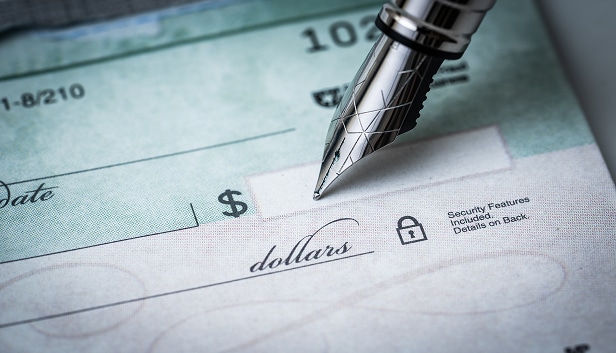
Bad actors may steal your checks from the mail, make changes to them, and then take your money.
Protect yourself:
- If you must send a check, mail it from inside the post office.
- Make sure your intended recipient got the check.
- Review your check images as soon as they clear and report suspicious activity to Wells Fargo immediately.

Scammers may promise guaranteed returns, direct you to fake crypto or investment platforms, then disappear with your money.
Protect yourself:
- Avoid unsolicited investment advice, especially crypto or private equity offers.
- Be skeptical of “risk-free” or “guaranteed” returns.
- Always verify the seller and the investment before sending money.
- Be careful downloading investment apps. Fraudulent apps can appear in trusted app stores.

Bad actors may scare you into withdrawing your savings, buying gold or silver, then handing it over to them.
Protect yourself:
- If someone pushes you to move your savings into gold or silver, stop and talk to a trusted friend or family member.
- Remember: no real company or government agency will ever tell you to buy metals and give them to a courier.
How was your experience? Give us feedback.
DT1-06082027-12-9015748-1.1
